Let Little Hands Lead: The Power of Unrushed Early Writing
Early writing isn't just about letters and words. It's a whole lot of buzzing behind the scenes. Little hands need time to grow strong, bodies need to feel ready, and hearts need to feel confident.
Writing is a big skill made up of many little ones. Strong fingers, curious minds, and brave feelings all work together. When we rush children before their hands and brains are ready, writing can start to feel stressful. And that's not the kind of learning we want to see buzzing around.
How Little Hands Grow
Soft, squishy, and still mostly cartilage
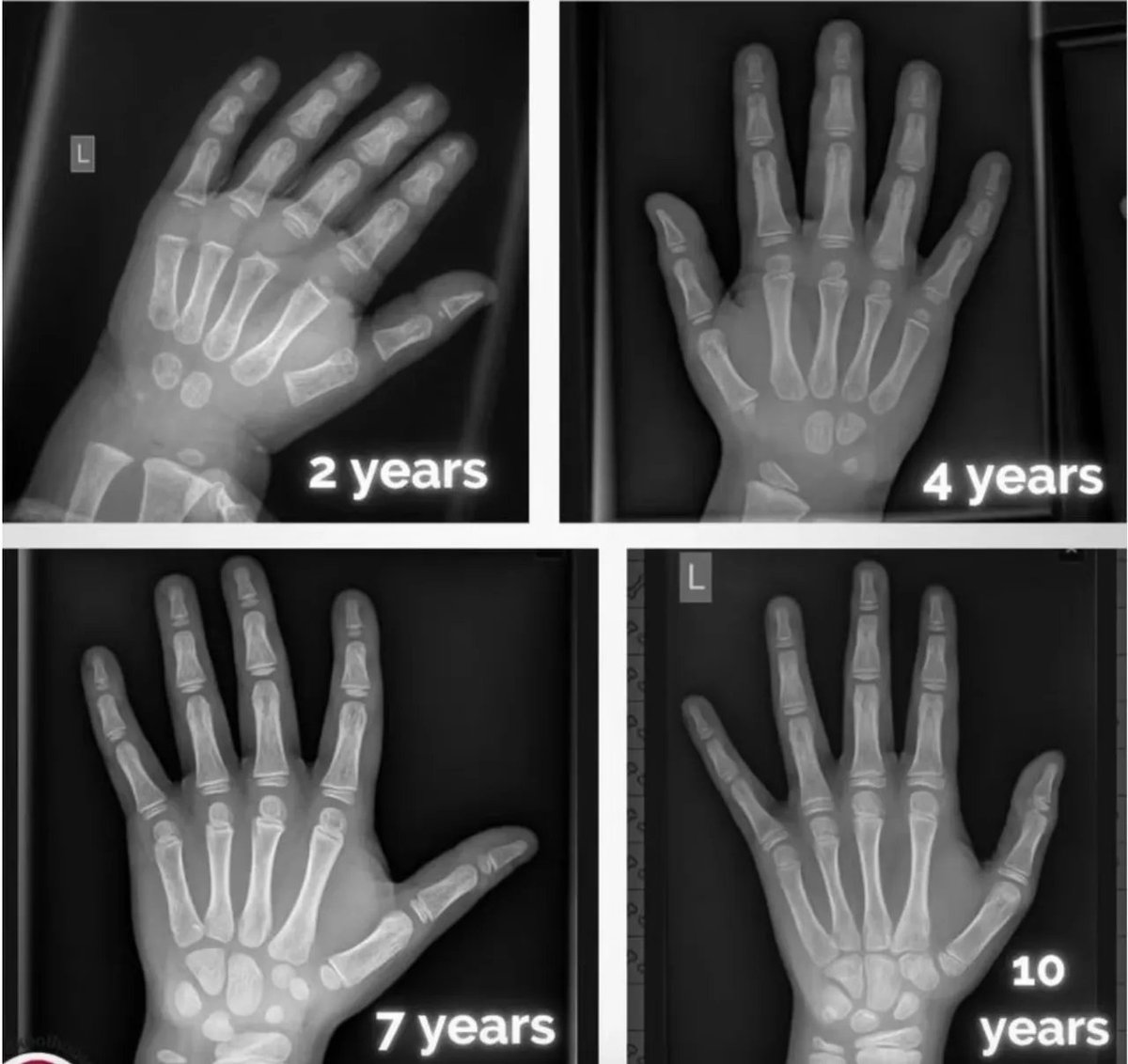
At age 2, little hands are still super soft and squishy — more cartilage than bone. Those tiny joints aren't built for writing yet, and holding a pencil can actually feel uncomfortable. This is the perfect age for scribble parties, big arm movements, and joyful exploring with crayons and markers. All of that builds the foundations for later writing.
Hardening up, but still waking up
By age 4, the hand is starting to harden up as cartilage slowly turns into bone. Fine motor skills are just beginning to wake up, but they're still learning the ropes. Instead of writing lines and letters, children at this age need playful hand strengthening. Think playdough, tweezers, building, pinching, pouring, and painting fun.
Finally ready for the job it's been practising for
Around age 7, the hand is finally ready to do the job it's been practicing for. Bones, muscles, and joints are strong enough for more intentional writing, and forming letters starts to feel easier and more natural. This is a beautiful window to invite more focused writing practice without stress.
Strong, coordinated, and ready for longer adventures
By age 10, those Busy Bee hands are strong, coordinated, and ready for longer writing adventures. Kids can write with more control, stamina, and confidence — and their ideas can finally keep up with their hands.
When we understand how hands grow, we can stop rushing the process and start trusting it. Giving children time to develop at their own pace helps writing feel good, not hard — and that's how confident writers are born.
Instead of rushing little learners into writing, let's build the skills the slow and steady way. When we focus on playful hands-on activities, writing grows naturally when the time is right.
What to Do at Each Stage
Ages 2–3: Let's Explore and Scribble
This stage is all about curiosity and big joyful movements.
- Offer chunky crayons, markers, and sidewalk chalk for free scribbling
- Bring out finger paint and playdough to squish, roll, and squeeze those hand muscles
- Invite children to draw lines, circles, and shapes just for fun and control-building
Ages 4–6: Strengthening Busy Bee Hands
Now those little hands are ready for more focused play.
- Try simple tracing, mazes, and dot-to-dot activities — with no pressure to be perfect
- Snip snip fun with scissors and paper builds serious hand strength
- Play pickup games with beads, buttons, or small toys to boost coordination and control

See... SIMPLE!