Supporting Young Children at Home

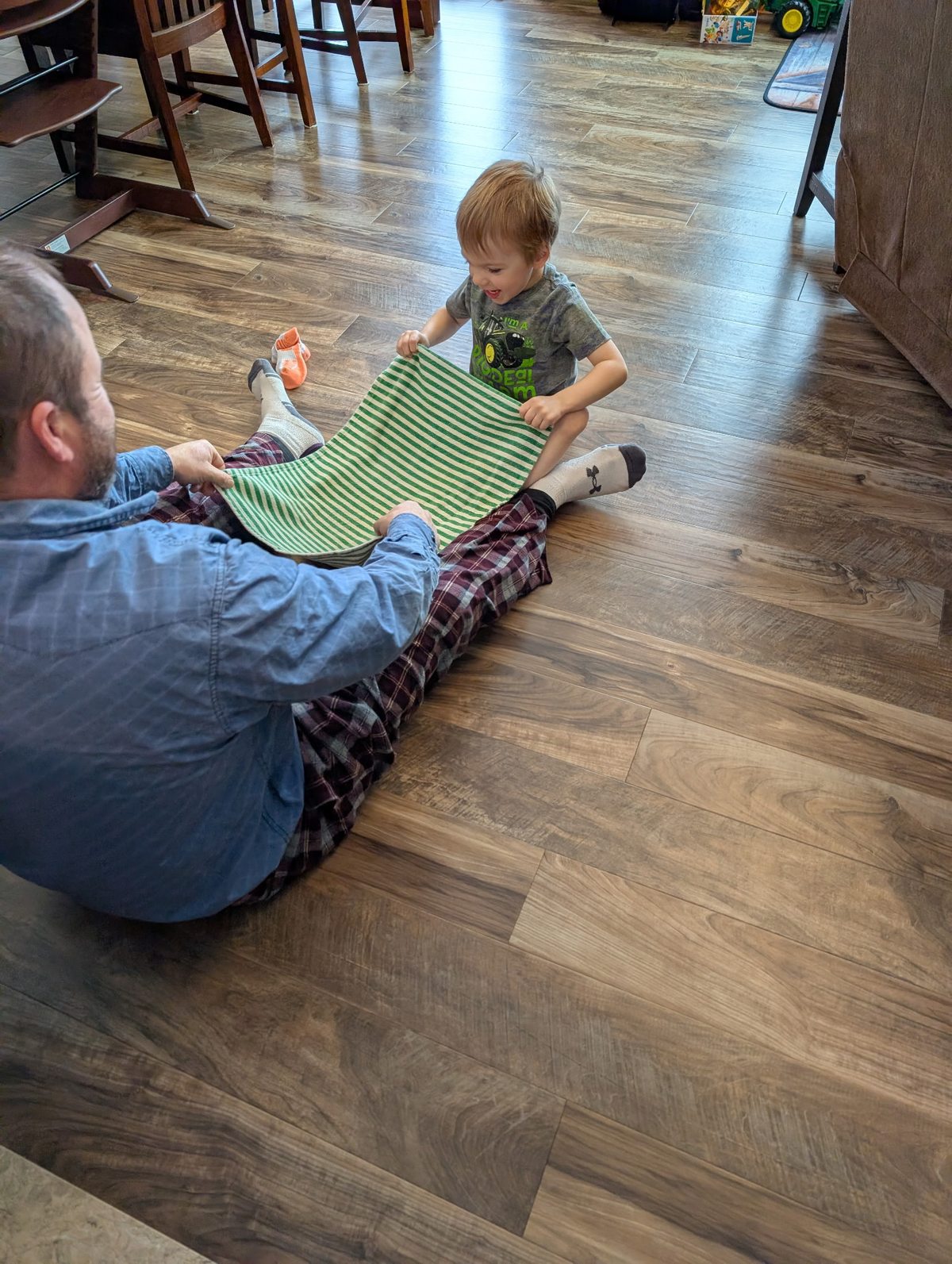
Caring for young children at home can feel like a mix of magic and second-guessing. One moment your child is exploring, laughing, and learning right in front of you — and the next you're wondering, am I doing enough? Am I doing this right?
In the early years, children do not need perfectly planned lessons or constant activities. They need you.
They need the everyday moments you are already giving them. Sitting beside them while they play. Reading the same book again and again. Letting them explore, wander, and come back. Talking, listening, and simply being present. That is where the real learning happens.
The Role of Play in Learning
Let's talk about play — because this is where the learning really happens. It can be easy to look at your child playing and wonder if they are learning enough. The truth is simple:
When your child is playing, they are experimenting, imagining, repeating, and making sense of their world in ways we cannot always see on the surface. Different types of play support development in different ways:
Pretend play
Builds language, social skills, and emotional understanding
Physical play
Strengthens coordination, balance, and body awareness
Sensory play
Supports brain development and self-regulation
Problem-solving play
Encourages persistence and flexible thinking
Even when it looks simple, something important is happening.
About That Repetition...
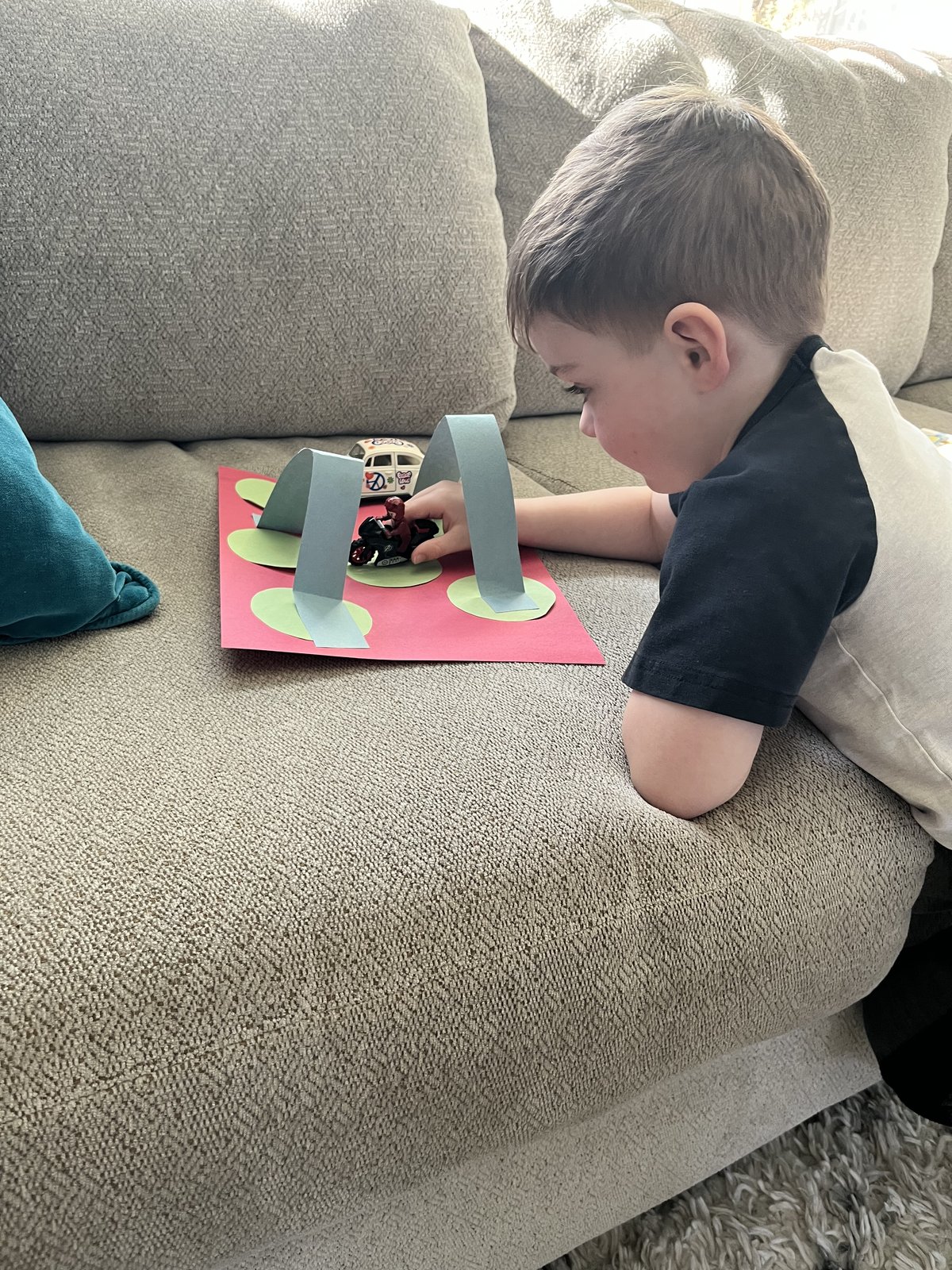
Let's talk about repetition, because this is where many parents begin to worry. The same game. The same toy. The same book, over and over again.
Caring for the Caregiver
Now, let's take a moment for you. Caring for young children is meaningful work — and it can also be exhausting. It asks for your patience, your energy, and your attention throughout the day. Some days feel connected and calm. Other days feel overwhelming. Both are part of this work.
It is easy to put your own needs aside, but caring for yourself is not separate from caring for your child. It is what makes it possible. That might look like slowing the day down, letting go of unrealistic expectations, asking for help, or taking a moment to reset after a hard moment. These small acts of care are not extras. They are essential.
The Moments That Matter Most
There is no single right way to do early childhood. There is your way — showing up, trying again, and growing alongside your child.
In the middle of busy, messy days, it is the small moments that are doing the real work.
A hug. A shared laugh. A quiet moment together. Your steady presence.
This is what is shaping your child's development every single day.
So if you've been wondering if you are doing enough — you are. And you are doing it right.